
FEIS
FEIS LIFE APP LTDMusic & Audio
4.123.00 Reviews
- Version
- 3.8.5
- Installs
- 10.00K
- Age Rating
- Everyone
Screenshots
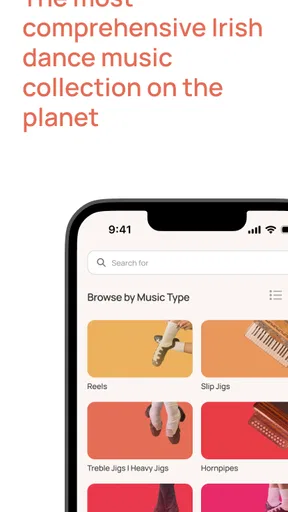
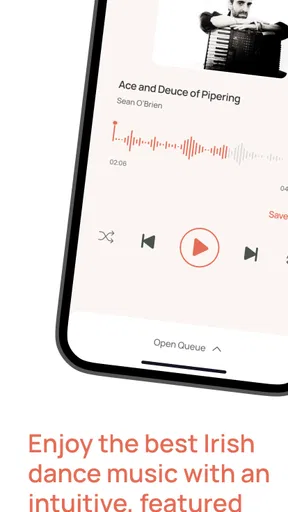
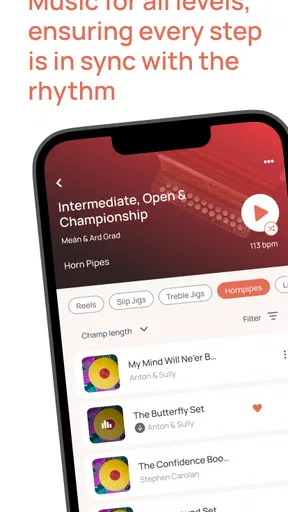
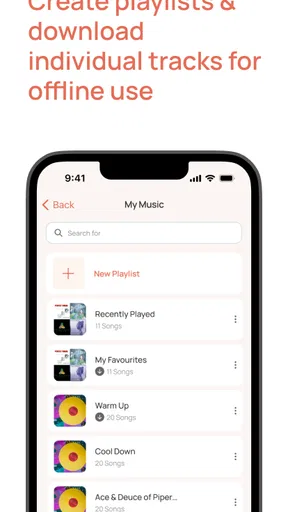
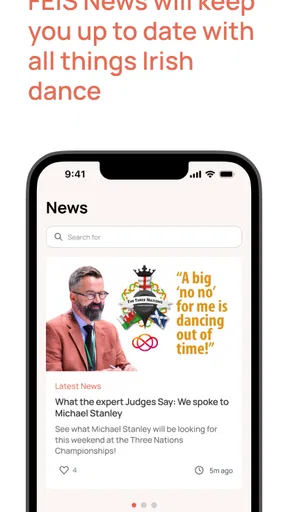
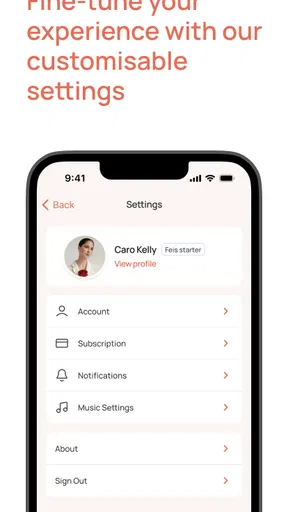
Our Review of FEIS
 Analysis by Appyee
I came to FEIS expecting a focused music tool for Irish dancers, and that is exactly where it makes the most sense. It is not trying to be a general streaming service or a replacement for a broad music library. Instead, it is built around the practical needs of people who rehearse, teach, or simply enjoy Irish dance music and want a dedicated place for it on a phone or tablet.
My main question when judging an app like this is simple: does it make practice easier than using a mixture of ordinary music apps, saved files, and memory? In this case, the answer depends heavily on how closely Irish dance fits into your routine. If you regularly work with feis-style music, the focused approach is useful. If you only want occasional traditional tracks or a huge all-purpose catalog, the narrower purpose may feel limiting.
What I looked for before recommending it
I paid attention to three things: how quickly I could get to the music I needed, whether the app felt suited to actual practice rather than casual listening, and whether its cost made sense beside familiar alternatives. Those criteria matter more here than flashy presentation. A dancer often needs to start a rehearsal without wasting time searching through unrelated playlists, while a teacher may need a dependable way to prepare music for different exercises.
The app belongs to the Music & Audio category and comes from FEIS LIFE APP LTD. It is free to install, with optional purchases ranging from $1.49 to $12.99 per item. That makes it easy to try without committing immediately, although anyone planning to use it often should pay attention to which parts of the experience require payment before building a complete practice routine around it.
Its audience rating is Everyone, so the app is presented as suitable for a broad age range. I would still judge it by your musical needs rather than by that label. The important question is not whether a casual listener can open it, but whether the available material and workflow match the way you train, teach, or listen.
Why the focused approach works for Irish dance
The strongest quality is concentration. A general music service can offer enormous choice, but that choice also creates friction. Searching for the right kind of Irish dance music among unrelated results is not always convenient, especially when you are already standing in a studio, preparing a class, or trying to repeat a step at a particular pace.
A specialist app can feel more purposeful because the listener arrives with a specific intention. I found that useful when thinking about practice in stages: warming up, repeating a difficult movement, preparing for a class, or listening through material before deciding what belongs in a routine. The value is less about discovering random music and more about reducing the distance between opening the app and getting into the right mindset.
That distinction also explains why I would not recommend it automatically to everyone who likes folk music. Someone looking for a wide range of genres, podcasts, radio stations, or mainstream playlists will probably be happier with a conventional audio service. FEIS is most convincing when Irish dance music is not an occasional curiosity but part of a regular schedule.
A realistic practice-day workflow
Imagine a dancer with a short break before class. They have enough time to rehearse one section, but not enough time to organize files or browse through a large general library. A dedicated Irish dance app can serve as the starting point: open it, choose suitable music, work through the movement, and return to the same musical context later.
The same idea applies to a parent helping a young dancer at home. Instead of asking a child to explain which track is needed while everyone searches through unrelated songs, the parent can keep the practice session centered on the relevant material. That does not remove the need for coaching or careful timing, but it can make the setup less distracting.
For teachers, the benefit is organizational rather than glamorous. A specialist source can be easier to use when planning a class around Irish dance instead of assembling material from several unrelated services. I would still test the exact content needed for a particular lesson before relying on it, especially if the class depends on a very specific tune or arrangement.
Small habits that make the app more useful
One practical tip is to treat the app as part of a repeatable rehearsal routine rather than as background entertainment. Decide before opening it whether the goal is listening, drilling, or preparing for class. That simple distinction helps prevent the common problem of spending more time browsing than dancing.
A second useful habit is to note which pieces work best for different exercises. Even without turning the app into a formal training log, remembering a few dependable choices can shorten future setup time. I would keep a simple written note or personal practice plan alongside the app, because a music tool is not necessarily a complete progress tracker.
A third insight is to test the app during the exact conditions in which you expect to use it. Try it at home, in a studio, and before a lesson. The right choice is not only about sound or catalog focus; it is also about whether the workflow feels comfortable when you are in a hurry. If the free experience does not cover your normal routine, discover that early rather than after you have reorganized your practice around it.
Where it has an advantage over general music apps
The clearest advantage is relevance. A general service may be excellent at finding almost anything, but it usually makes you do more filtering. FEIS starts from a much narrower musical purpose, which can be a genuine time-saver for dancers and families who repeatedly need this style.
It also feels better suited to a specialist community than a broad entertainment platform. That does not mean it replaces instruction, choreography, or a coach’s judgment. It simply puts the musical side of the activity closer to the center. For a beginner, that focus can make the app feel less intimidating than a large service filled with choices that have nothing to do with the next practice.
The free entry point is another advantage for cautious users. You can begin by seeing whether the app fits your habits before deciding whether optional purchases are worthwhile. I like that approach for a niche product because the right audience is specific: a person who never practices Irish dance has little reason to pay for a specialized library, while an active dancer may quickly understand its value.
Where another type of app may fit better
A broad streaming platform remains the better choice if your listening life extends well beyond Irish dance. It is more suitable for someone who wants one place for popular music, albums from many traditions, spoken audio, and everyday background listening. Choosing FEIS in that situation could mean adding another app without solving your main problem.
Local audio files may also be preferable for users who already have a carefully organized collection and do not want to change their habits. A specialist app has to earn its place by being easier or more relevant than the system you already use. If your current files are labeled clearly and your practice routine is smooth, switching may offer less benefit than it would for someone starting from scratch.
Teachers and competitive dancers should also be realistic about the limits of a music-focused tool. It can support rehearsal, but it is not a substitute for feedback on posture, timing, technique, or choreography. If your priority is structured instruction, video lessons or direct coaching may be a better primary investment, with this app serving only as a musical companion.
There is also a trade-off between specialization and breadth. A narrow catalog can be convenient when it contains what you need, but inconvenient when you want unusual material outside its central purpose. I would choose a general alternative when variety matters more than a focused starting point, and choose FEIS when reducing irrelevant choices is the bigger concern.
What switching would involve
Moving from a general music app is not difficult in principle, but it does involve changing your routine. You may need to learn where your preferred material sits, decide which optional purchases are useful, and work out whether the app covers both listening and rehearsal needs. That is why I would not delete an existing service immediately.
For the first few practice sessions, I would keep the familiar option available and compare the actual time spent preparing music. Notice whether the specialist focus helps you begin faster, whether you can find the material you use most, and whether the free portion is enough for ordinary sessions. This is a better test than judging the app after a quick opening screen.
Cost matters in the same practical way. Because the app is free to start but includes individual in-app purchases, the sensible approach is to identify your real use case first. A casual listener should avoid buying simply because the app is interesting. A regular dancer may find a purchase reasonable if it removes repeated searching and supports frequent practice, but that decision should come after checking the available content against personal needs.
The current version is 3.8.5, and the app requires Android 8.0 or later. That requirement is comfortable for many Android users, but it is still worth checking an older phone or tablet before planning to use it in class. A device that technically meets the requirement may still be inconvenient if its battery, speaker, or screen makes practice awkward.
Who should download it first
I would start with Irish dancers, parents of dancers, and instructors who want a dedicated music option rather than another general entertainment app. It is particularly appealing when practice happens often enough that searching through a broad service has become a repeated annoyance.
It is also worth trying for someone new to the activity who wants to understand the musical side without assembling a collection from several places. The focused format can make the first steps feel more manageable. Still, beginners should remember that music alone will not explain technique or replace a teacher.
I would skip it if your main goal is a complete all-purpose audio library, if you rarely listen to Irish dance music, or if you already have a local collection that works perfectly. I would also hesitate if you need a full training platform with detailed lesson plans, video instruction, and progress tracking. In those cases, another category of app is likely to serve you better, even if this one remains useful as a secondary tool.
My view of its value and maturity
The app has an average rating of 4.1 from around 136 ratings, with roughly 23 written reviews. That suggests a generally positive reception, while the relatively small review conversation means I would treat the score as a helpful signal rather than a complete verdict. Specialist apps often make the most sense to a particular audience, so personal fit matters more than a number alone.
It has passed the early experimental stage, having been released on April 9, 2019, and it has reached over 10 thousand installs. Those details give me more confidence than a brand-new niche app would, especially when deciding whether it is worth testing for regular use. They do not guarantee that every dancer will love the workflow, but they indicate that the idea has found a real audience.
My main reservation is the need to evaluate the paid side carefully. Free access makes the first step easy, but optional purchases can change the value calculation depending on how deeply you use the app. I would rather see a user make that decision after a few genuine practice sessions than assume that a specialized label automatically makes every purchase worthwhile.
My recommendation after using it as a decision guide
FEIS is a sensible recommendation when Irish dance music is a recurring part of your life. Its biggest strength is not broad entertainment value; it is the way a focused music environment can reduce preparation time and keep practice centered on the right material. For dancers, families, and teachers, that can be more useful than having endless unrelated choice.
I would begin with the free version, test it during a normal rehearsal, and compare it with the music setup you already trust. Pay attention to the exact content you need, how quickly you can begin, and whether the optional purchases match your frequency of use. That process answers the important questions more reliably than browsing a store page.
For me, the app earns a place as a specialist companion rather than a universal audio replacement. I would recommend it to a friend who dances regularly and wants a more direct route to suitable music. I would not recommend it as the only music app for someone seeking variety across many categories. Used for the job it is designed to support, it is focused, approachable, and worth trying; used outside that job, its specialization becomes the very limitation that points you toward a different alternative.
Verdict
Strengths of FEIS
- Simple interface makes browsing and posting feel approachable.
- Supports quick sharing of photos and everyday updates.
- Helps users stay connected with friends and local communities.
- Notifications can keep you informed about new activity.
- Available social features encourage regular interaction.
Limitations of FEIS
- The user base may be smaller than on major social networks.
- Privacy settings should be checked carefully before posting.
- Frequent notifications can become distracting without customization.
- Content quality may vary depending on the communities you follow.
- Some features may require a stable internet connection.
Similar Picks in This Category
View All
YouTube Music
Google LLC4.4

Samsung Music
Samsung Electronics Co., Ltd.3.8

Spotify: Music and Podcasts
Spotify AB4.3

JioSaavn - Music & Podcasts
Saavn Media Limited4.3

Lark Player:Music Player & MP3
Lark Player Studio - Music, MP3 & Video Player4.6

StarMaker: Sing Karaoke Songs
SKYWORK AI PTE. LTD.4.3
Frequently Asked Questions
What is FEIS and what can I use it for?
FEIS is an app designed to provide users with access to information and services related to the FEIS platform. Depending on the version and region, it may help you view announcements, consult available content, manage account details, or interact with institutional resources. Before downloading, check the app description and supported services, since features can vary by country, organization, and update.
Is FEIS free to download and use?
FEIS may be available to download without an upfront charge, but some services could require registration, authorization, or access provided by a participating institution. The app itself may not include paid features, although your mobile provider could charge for internet data used while browsing. Review the official store listing and any applicable terms before creating an account or using restricted functions.
Do I need an account or special access to use FEIS?
Some parts of FEIS may be accessible to visitors, while personalized tools and institutional information can require an account, employee credentials, student details, or an invitation from the organization that operates the service. If login information is provided by a school, company, or public institution, use only the official credentials and contact its support team if registration or verification does not work.
What permissions and personal information does FEIS request?
The permissions requested by FEIS depend on the features enabled in your version. An app of this type may request internet access, notifications, or permission to store limited information needed for login and preferences. Before accepting, review the permission prompts and privacy policy carefully. Avoid entering sensitive information unless the connection, developer identity, and official download source are clearly verified.
Is FEIS available for both Android and iPhone, and how do I install it safely?
Availability can differ between Android and iOS, as well as by country or institution. The safest approach is to download FEIS only through the official Google Play Store or Apple App Store, confirm the developer name, read recent user reviews, and check the latest update date. Avoid unofficial APK files or third-party links, which may contain modified software or security risks.
